
The New Convenience Economy: Why Speed Isn’t Enough
In today’s qcommerce world, consumers define convenience by reliability—accurate stock, predictable ETAs, and effortless resolutions—not just speed.

1) Convenience Has Been Redefined: From “Fast” to “Certain”
Urban consumers don’t order essentials because it’s fun—they order because it’s urgent. In the new convenience economy, the emotional goal is certainty: “Will this arrive when promised, and will it be the right items?” That shift in consumer-behavior explains why raw delivery speed is no longer a durable advantage in qcommerce.
A 20-minute promise that becomes 45 minutes, or a cart that collapses at checkout due to missing stock, doesn’t feel like convenience—it feels like risk. In dense urban-retail markets, shoppers have alternatives (corner stores, other apps, delivery aggregators), so they quickly learn which experiences are dependable. Trust is built less by promotional pricing and more by consistently meeting expectations on availability, timing, and communication.
The winning brands treat “minutes-level delivery” as table stakes and focus on reducing anxiety across the order journey. Reliability is what turns a one-off emergency order into a repeat habit—and that’s the real business outcome behind lasting convenience.
2) The Hidden Drivers of Trust: Inventory Truth, Predictable ETAs, and Clear Substitutions
Most “fast delivery” failures aren’t caused by rider speed; they start upstream with inventory and decision-making. A real-time catalog that reflects what’s actually in the local micro-fulfillment hub is the foundation of customer-trust. When stock is uncertain, platforms over-promise, then cancel items or delay dispatch—creating a reliability tax that shoppers remember.
That’s why modern last-mile-delivery systems increasingly depend on orchestration: routing each order to the best hub, coordinating pick/pack, and managing exceptions before they reach the customer. Substitutions are a major trust lever here. If the app offers transparent swap options (brand, size, price deltas) at checkout, customers feel in control—and cancellations drop. The best flows also keep communications tight: proactive alerts, honest ETAs, and visible progress from picking to dispatch to doorstep.
In practice, reliability comes from many small “truth moments.” Each one reduces uncertainty, reinforces trust, and shapes repeat purchasing more than a temporary discount ever could.
3) When Things Go Wrong, Convenience Is Measured by Resolution
Even with perfect operations, issues happen: a bruised item, a missing unit, a late rider due to weather. What separates trusted qcommerce players is how painless the fix is. Urban shoppers value speed, but they remember resolution. A frictionless in-app refund, instant re-dispatch options, and responsive support transform a negative moment into proof that the system is dependable.
This is where reliability directly beats promotional pricing in influencing consumer-behavior. Customers don’t want to argue for credits or wait days for an email thread; they want clarity, accountability, and fast closure. Strong comms—“Here’s what happened, here’s the updated ETA, here are your options”—keeps confidence intact. For platforms like FlashBasket Essentials, rapid support isn’t a cost center; it’s a retention engine that protects repeat orders and strengthens customer-trust.
For local brands in urban-retail, this reliability layer also creates a premium shelf: fewer failed deliveries, better product perception, and higher-intent convenience purchases—driving healthier unit economics over time.
1) Convenience Has Been Redefined: From “Fast” to “Certain”
Urban consumers don’t order essentials because it’s fun—they order because it’s urgent. In the new convenience economy, the emotional goal is certainty: “Will this arrive when promised, and will it be the right items?” That shift in consumer-behavior explains why raw delivery speed is no longer a durable advantage in qcommerce.
A 20-minute promise that becomes 45 minutes, or a cart that collapses at checkout due to missing stock, doesn’t feel like convenience—it feels like risk. In dense urban-retail markets, shoppers have alternatives (corner stores, other apps, delivery aggregators), so they quickly learn which experiences are dependable. Trust is built less by promotional pricing and more by consistently meeting expectations on availability, timing, and communication.
The winning brands treat “minutes-level delivery” as table stakes and focus on reducing anxiety across the order journey. Reliability is what turns a one-off emergency order into a repeat habit—and that’s the real business outcome behind lasting convenience.
2) The Hidden Drivers of Trust: Inventory Truth, Predictable ETAs, and Clear Substitutions
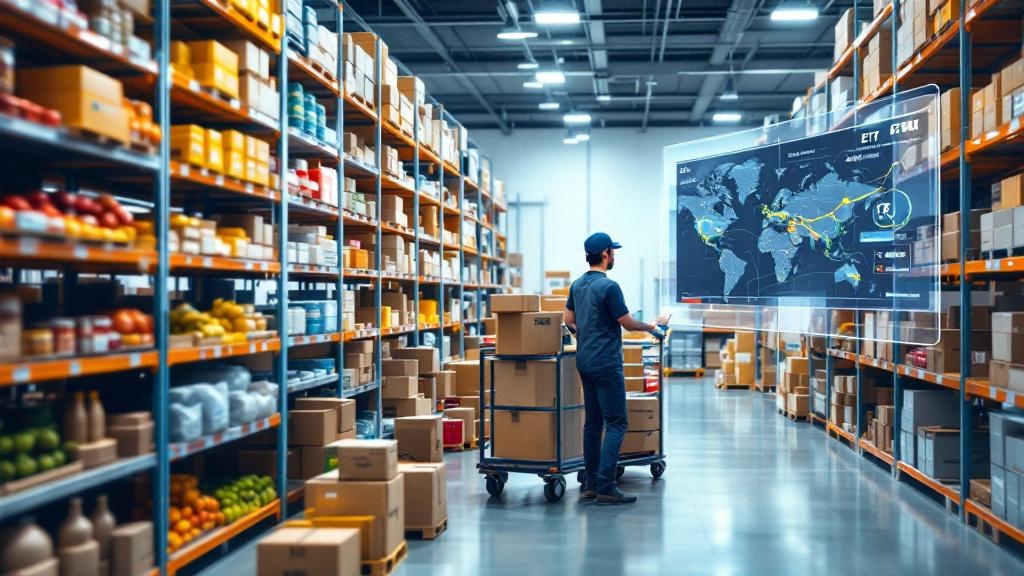
Most “fast delivery” failures aren’t caused by rider speed; they start upstream with inventory and decision-making. A real-time catalog that reflects what’s actually in the local micro-fulfillment hub is the foundation of customer-trust. When stock is uncertain, platforms over-promise, then cancel items or delay dispatch—creating a reliability tax that shoppers remember.
That’s why modern last-mile-delivery systems increasingly depend on orchestration: routing each order to the best hub, coordinating pick/pack, and managing exceptions before they reach the customer. Substitutions are a major trust lever here. If the app offers transparent swap options (brand, size, price deltas) at checkout, customers feel in control—and cancellations drop. The best flows also keep communications tight: proactive alerts, honest ETAs, and visible progress from picking to dispatch to doorstep.
In practice, reliability comes from many small “truth moments.” Each one reduces uncertainty, reinforces trust, and shapes repeat purchasing more than a temporary discount ever could.
3) When Things Go Wrong, Convenience Is Measured by Resolution
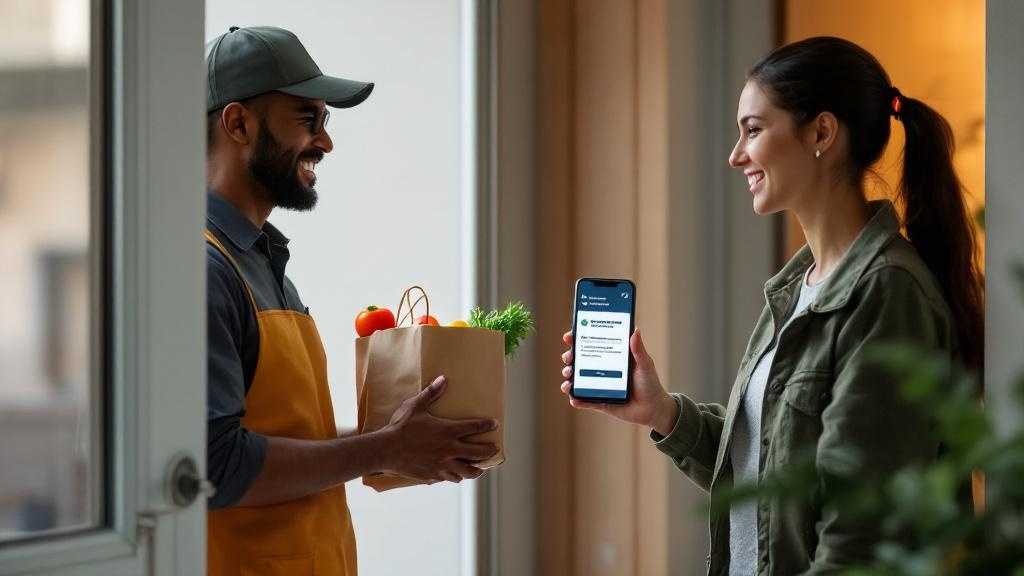
Even with perfect operations, issues happen: a bruised item, a missing unit, a late rider due to weather. What separates trusted qcommerce players is how painless the fix is. Urban shoppers value speed, but they remember resolution. A frictionless in-app refund, instant re-dispatch options, and responsive support transform a negative moment into proof that the system is dependable.
This is where reliability directly beats promotional pricing in influencing consumer-behavior. Customers don’t want to argue for credits or wait days for an email thread; they want clarity, accountability, and fast closure. Strong comms—“Here’s what happened, here’s the updated ETA, here are your options”—keeps confidence intact. For platforms like FlashBasket Essentials, rapid support isn’t a cost center; it’s a retention engine that protects repeat orders and strengthens customer-trust.
For local brands in urban-retail, this reliability layer also creates a premium shelf: fewer failed deliveries, better product perception, and higher-intent convenience purchases—driving healthier unit economics over time.